


You’re drowning in a sea of personal loans and looking for a way out. Fortunately, all is not lost, and you can still keep your head above the water if you want, and you’re also not alone in this situation. Some people simply find themselves overwhelmed with these debts, and they often translate into high interest rates and varying schedules of repayment.
Regain control of your finances with debt consolidation and get the cheapest option out there through a home refinance. You can combine all of your outstanding loans be it an amount owed to a friend, your phone bill, or an appliance payment into a single one and the benefit is that you can significantly reduce the burden of dealing with multiple financiers. This is going to be an excellent choice if you also want to drastically lessen your interest rates.
Why Would You Want to Do this Step?
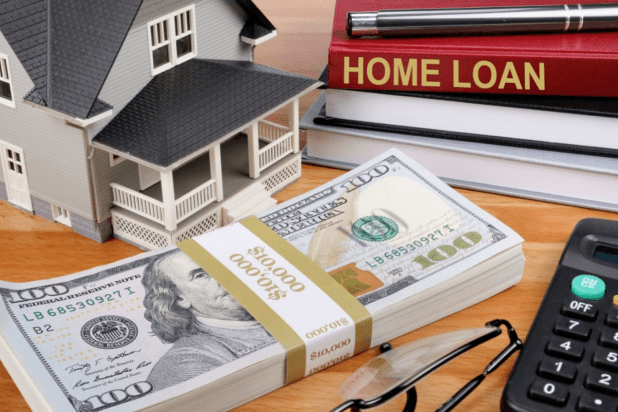
Various reasons are there why people choose to apply for a new loan. They might want to choose their mortgage because they have built up equity in it over time. This helps them essentially regain control of their finances and lower their interest rates in the process. If their credit health or score has improved or they are already tired of their unsecured credit cards, then this is worth considering.
Everything can be simple if you also choose to pay only one creditor instead of juggling the phone calls from multiple ones. Getting a lot of dates and interest rates mixed up can result in penalties, and some can charge you with ballooning interest if you continue to ignore them. You can easily set a budget and make plans for the future if you’re not in too much debt, and this is now possible with the right financiers.
Another benefit is the possibility of extending your repayment term, and with longer lengths available on secured home loans, you may be able to reduce your dues and free up some cash flow for several months. Get some leeway when you increase the term from six months to a year, and pay off everything when you can spare something extra.
The Number of Loans that You Can Have Simultaneously

There are no limits when it comes to getting multiple debts at once. Other financiers can approve several additions if you’re in good standing with them and you’ve paid off some of the amount on the original debt. However, there are specific requirements that you need to meet.
In this financial decision, there’s no right or wrong with this decision, and you’ll just have to decide the financial situation that’s best for you. Refinance only after taking a good look at your current goals, credit history, expenses, and income. Do some calculations and see if a consumer debt or a home loan will be more than enough to cover a hospital bill or a major renovation.
A disadvantage that needs to be considered is that applying to a lot of financiers can trigger hard credit queries. This is going to affect your debt-to-income ratio, and a single missed payment can have a huge impact on your score. This is where refinancing would make much sense because it’s going to simplify everything in the best way possible.
Security with Housing Loans
Mortgages often use a specific property as collateral, and this means that when you fail to make some payments, the financiers are going to take possession or seize your home. This might sound bad, but actually, this is going to help encourage consumers to pay. With the help of a lump sum amount from a forbrukslån med sikkerhet i bolig, you can easily repay all your other debts in no time. This is because some financiers can offer a higher limit on these transactions.
However, during the application process, there will be a lot of assessments on the property’s value, and whether it can justify the amount that you’re trying to borrow. Most often, the interest rates are going to be lower when the financier sees that there’s lesser risk and you’re creditworthy as well.
After the approval, the money will be sent to your nominated bank account, and you can utilize it to refinance or consolidate your other debt obligations. Select and pay off the high-interest types like credit cards and close the account, so you can get some breathing room. Repayment lengths and terms are often longer, and you can spread out the amount over time. It can also decrease your burdens each month from a financial perspective.
It’s important to note that when consolidating debts with a secured home loan, you are essentially transferring your previous accounts from various sources into one single obligation, which is your mortgage. While this may simplify your finances and potentially save you money in interest payments, it’s crucial to consider whether you can afford the new amount or ensure that you can still keep your home in the process. Also, since securing your debt against your property puts it at risk if you default on payments, it’s vital to carefully evaluate all factors before proceeding with this option.
What are the Steps to Take?
Have a thorough assessment of your current obligations and gather all the needed information about your existing debts. List their interest rates and the current balances that you still have with them. Determine the amount that you’re going to borrow against your home when you’re finished with this step.
Research the reputable financiers in your area, and make sure that they are offering flexible payments. Compare the packages that they are offering and go with the option that will fit your lifestyle and current goals. You also need to use a calculator to see if you’re signing up for something reasonable.
Consult with a financial advisor to assess whether consolidating your debts with a secured home loan is financially viable in the long run. Consider factors such as monthly repayments, total interest paid over time, and potential savings, to see if they are worth it. Once you have an idea of the viability of these deals, gather all the property details, pay stubs, tax returns, and other paperwork and apply.
If approved for a lump sum amount while using the home as collateral, use it to pay off all your outstanding debts in full or partially, depending on what makes sense in each case. After consolidating your debts into one secure loan payment, create a realistic budget that allows you to comfortably make monthly payments without falling back into another loan again.
Things to Consider
Before signing all the dotted lines, you need to understand that you’re risking losing a roof over your head when you default on this one. You can potentially risk everything if you’re unsure of whether you can pay or not. Compare various options, and as much as possible, don’t spend on your credit card limits after settling them. Take note of the fees and the other charges that come with the consolidation, and make sure that they are worth it.
Think about whether consolidating your debts will save you money in the long run. Calculate how much interest you’ll be paying in the future with both your current obligations and the consolidated loan. Sometimes, even though it may seem like an attractive option initially, the process might not result in significant savings, and you might find yourself getting into a pinch again if you’re not careful.
Any potential impact or a significant dip in your rating should also be a factor for consideration. Opening new lines of credit can temporarily lower your score, but managing them responsibly can ultimately improve it over time, and this can be the case with HELOC, but manage them responsibly.
Evaluate whether consolidation aligns with your financial goals and plans. Consider how it fits within your overall budget strategy and ensure that taking out a secured home loan won’t hinder other financial objectives, such as saving for retirement or education expenses.
Alternatives to Debt Consolidation
While debt consolidation can be an effective strategy for managing multiple debts, it may not be the right solution for everyone. If you’re considering alternatives to debt consolidation, here are a few options worth exploring:
- Snowball method: This approach involves focusing on paying off your smallest debts first while making minimum payments on larger ones. As each small debt is cleared, you can redirect those funds toward tackling the next one.
- Balance transfer credit card: If you have high-interest credit card debt, transferring balances to a card with a lower interest rate can help save money and simplify payments. Be sure to compare offers and consider any balance transfer fees.
- Negotiating with creditors: Reach out to your lenders directly and explain your financial situation. They may be willing to negotiate new terms, such as reduced interest rates or extended payment plans.
- Nonprofit credit counseling agencies: These organizations offer free or low-cost services to help individuals manage their debts more effectively through budgeting and negotiating with creditors.
- Bankruptcy: While this should always be considered as a last resort due to its long-term impact on credit, bankruptcy can provide relief for individuals facing overwhelming debt that cannot be managed through other means.