

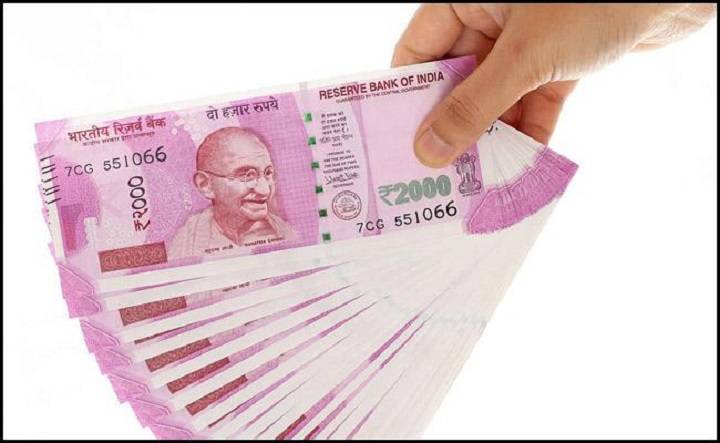
In recent years, the Indian currency landscape has witnessed significant changes, with the introduction of new denominations and the demonetization of others. The 2000 rupee note, often referred to as the “2000 ka note,” is one such denomination that has generated much interest and debate. In this comprehensive guide, we’ll delve into everything you need to know about the 2000 rupee note, from its introduction to its current status in India’s economy.
Introduction to the 2000 Ka Note
The 2000 rupee note was introduced in November 2016 as part of the Indian government’s demonetization drive, aimed at curbing black money and counterfeit currency. The decision to introduce a higher denomination note was seen as a strategic move to facilitate larger transactions while discouraging the hoarding of cash. Here are some key points about the 2000 ka note:
Key Points:
- It was introduced on November 8, 2016, simultaneously with the demonetization of the 500 and 1000 rupee notes.
- The note features a portrait of Mahatma Gandhi on the front and the Mangalyaan mission on the reverse side.
- The dimensions of the 2000 rupee note are 166 x 66 mm.
- It was printed by the Reserve Bank of India and issued as legal tender.
Purpose and Significance

The primary purpose of the 2000 rupee note was to ease the transition during the demonetization period and to support high-value transactions. Here are some key reasons for its introduction:
Key Reasons:
- To replace the void left by the demonetization of the 1000 rupee note.
- To encourage digital transactions and banking.
- To curtail black money and counterfeit currency circulation.
Current Status
As the years have passed since its introduction, the 2000 rupee note’s significance and circulation have evolved. Let’s take a look at its current status in India:
Key Points:
- While it remains legal tender, the 2000 rupee note is less common in circulation.
- Many ATMs and banks have phased out the 2000 rupee note due to lower demand.
- Smaller denominations like 500 and 100 rupee notes are more widely used for everyday transactions.
The Future of the 2000 Rupee Note
The future of the 2000 rupee note remains uncertain, with debates on its necessity and relevance. The Indian government’s focus on promoting digital transactions and smaller denominations suggests a gradual phasing out of the 2000 ka note. However, it remains a valid denomination and can be used for larger transactions when needed.
Key Considerations:
- The continued use of the 2000 rupee note may depend on evolving economic and policy factors.
- The government’s commitment to reducing black money and promoting a cashless economy will influence the note’s future.
The 2000 rupee note, often referred to as the “2000 ka note,” has played a unique role in India’s currency landscape. Its introduction during demonetization was a significant step in reshaping the nation’s financial ecosystem. While its circulation has decreased in recent years, it remains a valid denomination for high-value transactions. The future of this note depends on a dynamic interplay of economic, policy, and societal factors, making it an interesting denomination to watch in India’s evolving economy. Stay updated with the latest news and developments to better understand the 2000 ka note’s place in India’s currency journey.